
Apex Resident Lookup Evidence
There is no single official Apex roll of every person. Instead, each record answers a narrow question. Wake County is the usual starting county, yet the small Apex edge in Chatham must be routed by the parcel rather than the mailing city. An owner label on a tax record is a current administrative fact. It does not establish who occupies a home. A voter result is an election-record entry. It is not a census. For a historic name, library, archive, and directory material can give a dated lead, but cannot prove a present connection.
| Record | What It Confirms | Where | Access |
|---|---|---|---|
| Voter record | Status, jurisdiction, polling place, and voter history when shown | NCSBE Voter Search | Public lookup with protected fields withheld |
| Parcel record | Owner-of-record label, situs or mailing address, parcel keys, and deed links | Wake Real Estate Search or Chatham GIS | Current administrative view, not occupancy proof |
| Court case | Public case number, parties, dates, events, and disposition fields | NC eCourts Portal | Online docket; clerk holds the official file |
| Vital certificate | A record event only when the requester meets the custodian rules | NC Vital Records, Register of Deeds, or Clerk | Eligibility-controlled ordering route |
| Historic reference | A dated printed address, directory, archive, or census lead | Library, archives, and county records | Repository or item-specific access |
Use the smallest useful question. A present election jurisdiction calls for NCSBE. A parcel identity calls for Wake or Chatham land records. A case question calls for eCourts and then the responsible Clerk. The Apex city directory route is better suited to an old address trail than to a current-name confirmation.
Apex Voter Lookup Fields
The NCSBE Voter Search requires first and last name plus at least one status choice. Middle initial, year of birth, and county can narrow the match. Registered, Removed, and Denied are available status choices. Search the likely county first, then test a reasonable name variant when the result is unclear. Year of birth is a practical disambiguator, not a detail to republish as a full birth date.
NCSBE’s voter-registration guidance distinguishes public results from protected data. Full or partial Social Security numbers, full dates of birth, driver-license numbers, and certain military or overseas email addresses are not public. A signature may be viewable but cannot be copied or traced. Voter history records elections participated in, never ballot choices. A no-result can reflect spelling, county, status, maintenance, or address protection. It does not establish that a person is absent from Apex.
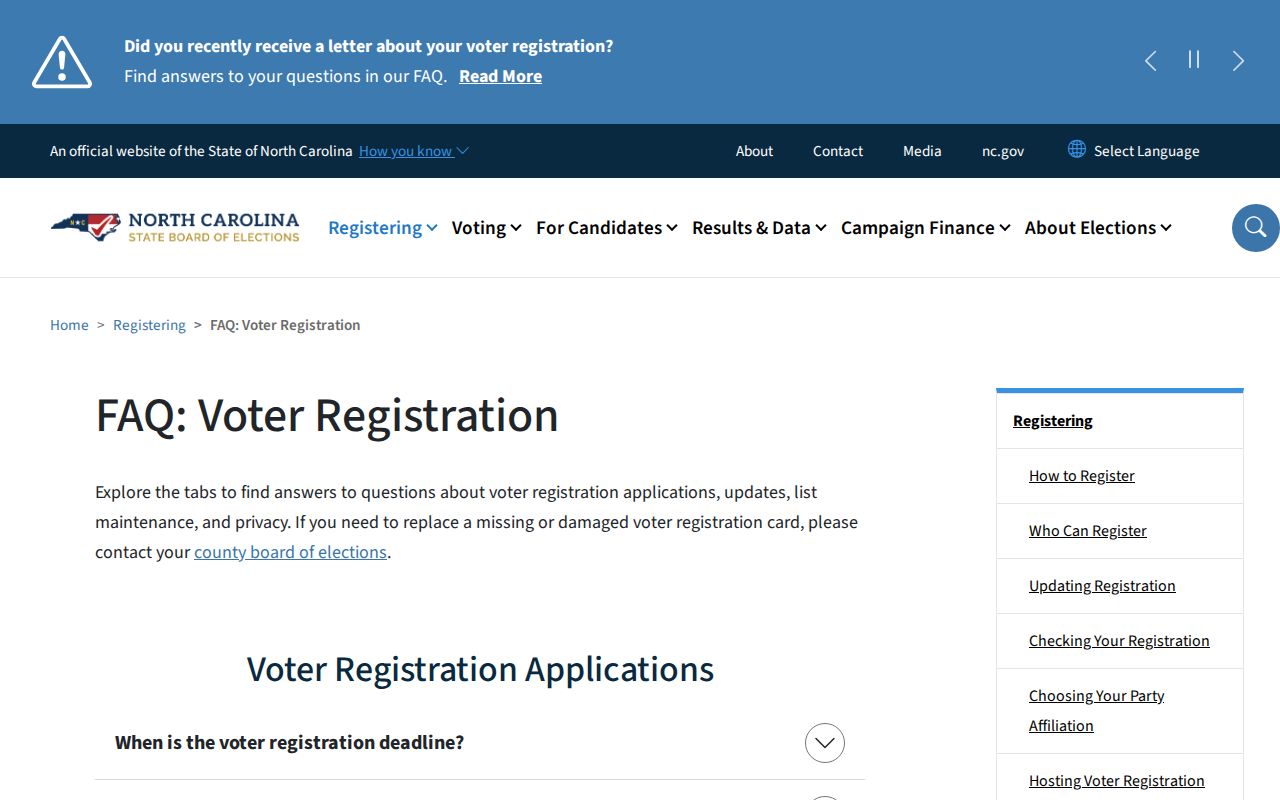
The official voter-registration FAQ shows the state’s public-information boundary used for this search.
Use a permitted result to compare county and jurisdiction. Do not turn that result into a household list or a complete address history.
Apex eCourts Name Searches
North Carolina eCourts is statewide. Apex matters may belong in Wake, District 10, or Chatham, District 18, depending on venue and subject. Smart Search supports location, party name, case type, status, filing-date range, and a date-of-birth filter. Its advanced choices include civil actions, nonconfidential special proceedings, estates, and criminal actions. Wildcard guidance calls for at least three last-name characters and at least one first-name character when that search form is used.
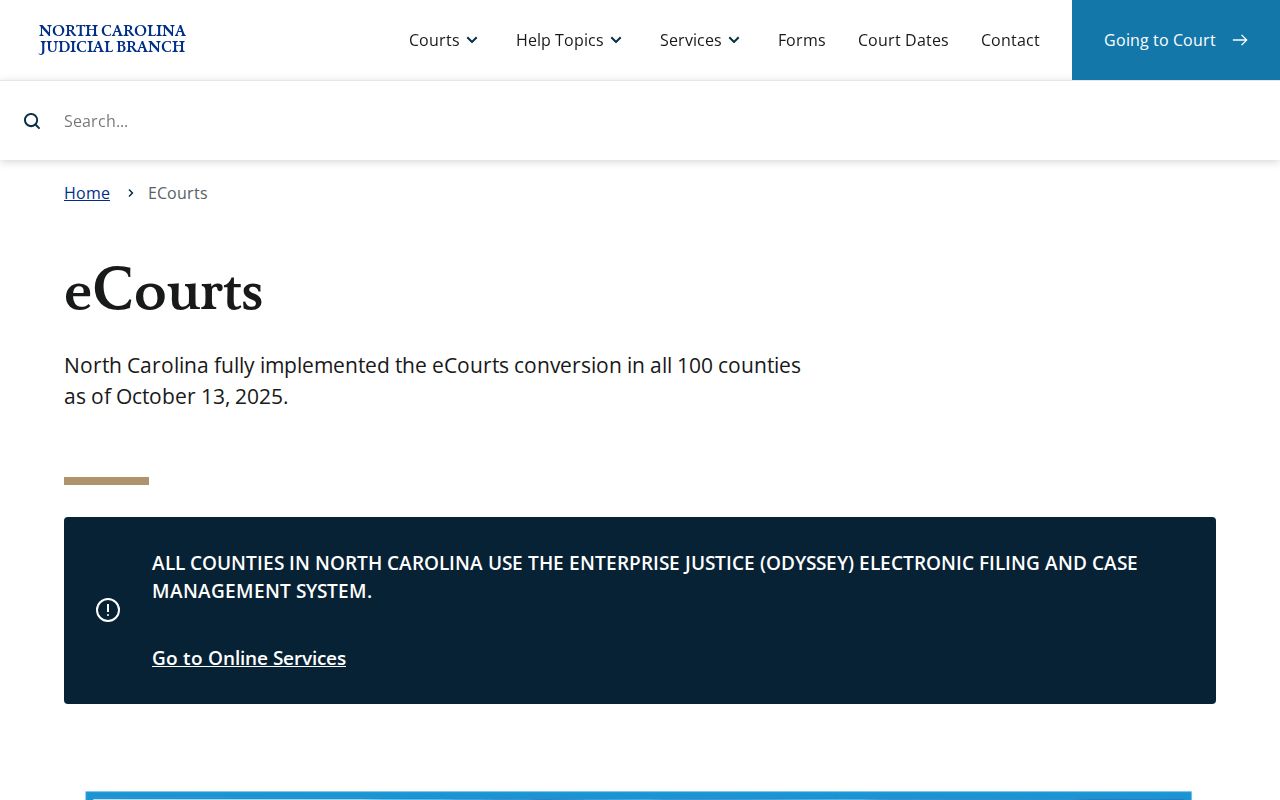
The official eCourts overview is a useful starting point before choosing a record path.
A portal hit is a docket lead, not an identity conclusion. Public results may show a case number, type, filing date, party roles, events, hearings, disposition, judgment status, and register-of-actions entries. Do not copy a full docket into a personal file or assume a party name gives a current address.
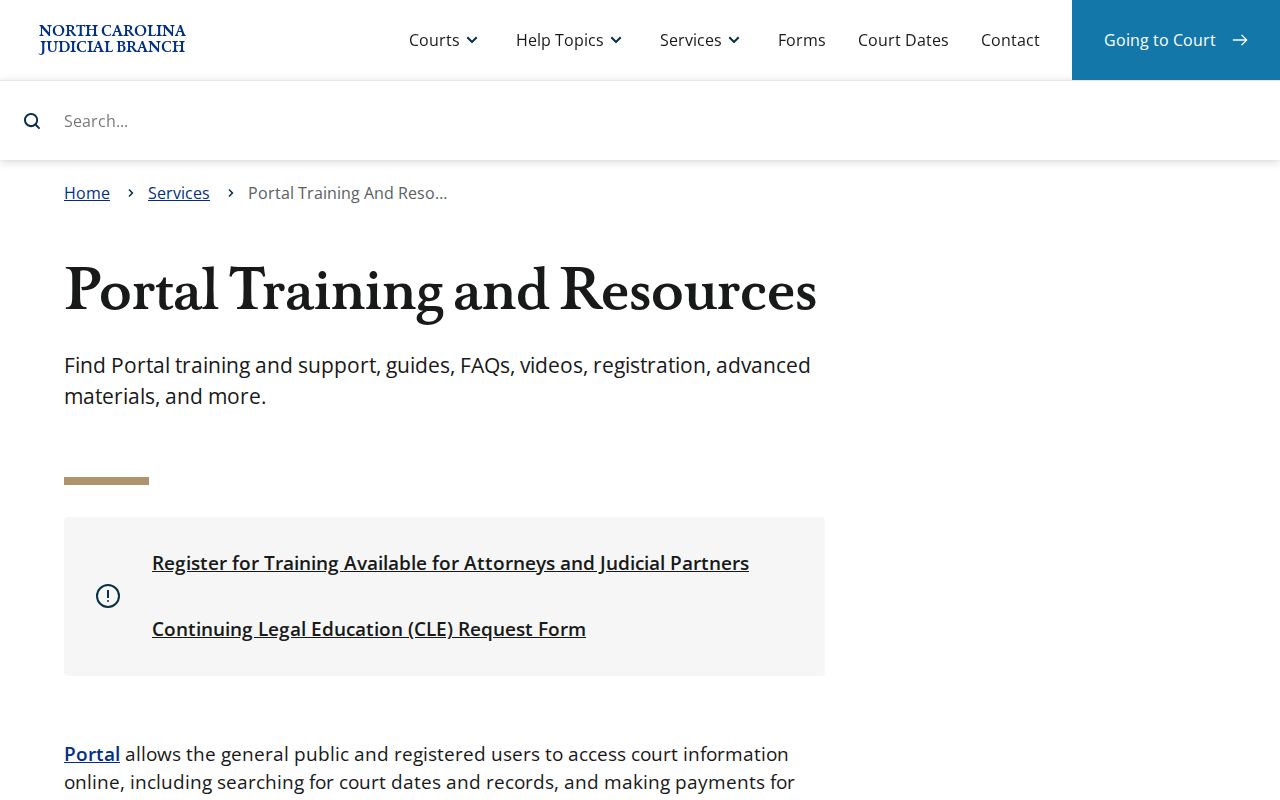
eCourts portal training resources describe the available search modes and help distinguish Smart Search, Hearings, and Judgment Search.
When a certified document matters, use the public self-service terminal, paper file, or copy route at the Wake or Chatham Clerk. The online view is not the complete official record, and some portal access requires manual browser use.
Verify an Apex Resident
Verification means comparing independent records that answer different questions. Begin with an exact spelling and a county decision. If an address is known, use the Wake property search for the Wake-side parcel or Chatham GIS for the county edge. Keep the physical address apart from the mailing address. Then use a public election result or a court result only for the limited fact it provides. The target is a source-backed record trail, not a claim about an entire person.
- Normalize the name and address. Preserve unit numbers, directional terms, older street spellings, and the date of the starting record.
- Confirm the county from the parcel map. Record a Wake REID or PIN, or the Chatham parcel identifier, before moving to another system.
- Run the voter search with first and last name, a status choice, and the optional county or year field only when needed to distinguish matching names.
- Search eCourts by party and venue for a public case lead. If an official copy is needed, request it from the clerk rather than treating the portal display as final.
- Label the outcome as an official current record, recorded historical evidence, administrative lead, boundary caveat, or not located. Do not fill a missing result with an inference.
- Docket
- A court’s running public case record, which can list events and status but is not always the complete file.
- Index
- A finding aid that points to a record by fields such as name, date, book, or case number.
- Image
- The displayed scan or document view. An index entry may exist when no online image is available.
- Certified copy
- A copy issued or authenticated by the responsible custodian for a record-specific purpose.
Apex Vital Record Routes
NC Vital Records is an ordering and research gateway, not a public name-search index. State coverage begins with births in 1913, deaths in 1930, marriages in 1962, divorces in 1958, and fetal deaths in 2001. Those dates describe state coverage, not blanket public availability. Certified copies are controlled by record type, relationship, identity, and eligibility under Chapter 130A and related rules.
The state order route asks for event details and requester relationship or eligibility. Birth requests call for the birth name and both parents’ full names; death, marriage, and divorce requests each have their own event details. Birth, death, and marriage records may also route through a county Register of Deeds, while divorce records route through the county Clerk. For older research, births before 1913 generally go to county Registers of Deeds, deaths before 1930 to the State Archives, marriages before 1962 to county Registers of Deeds, and divorces before 1958 to county Clerks.
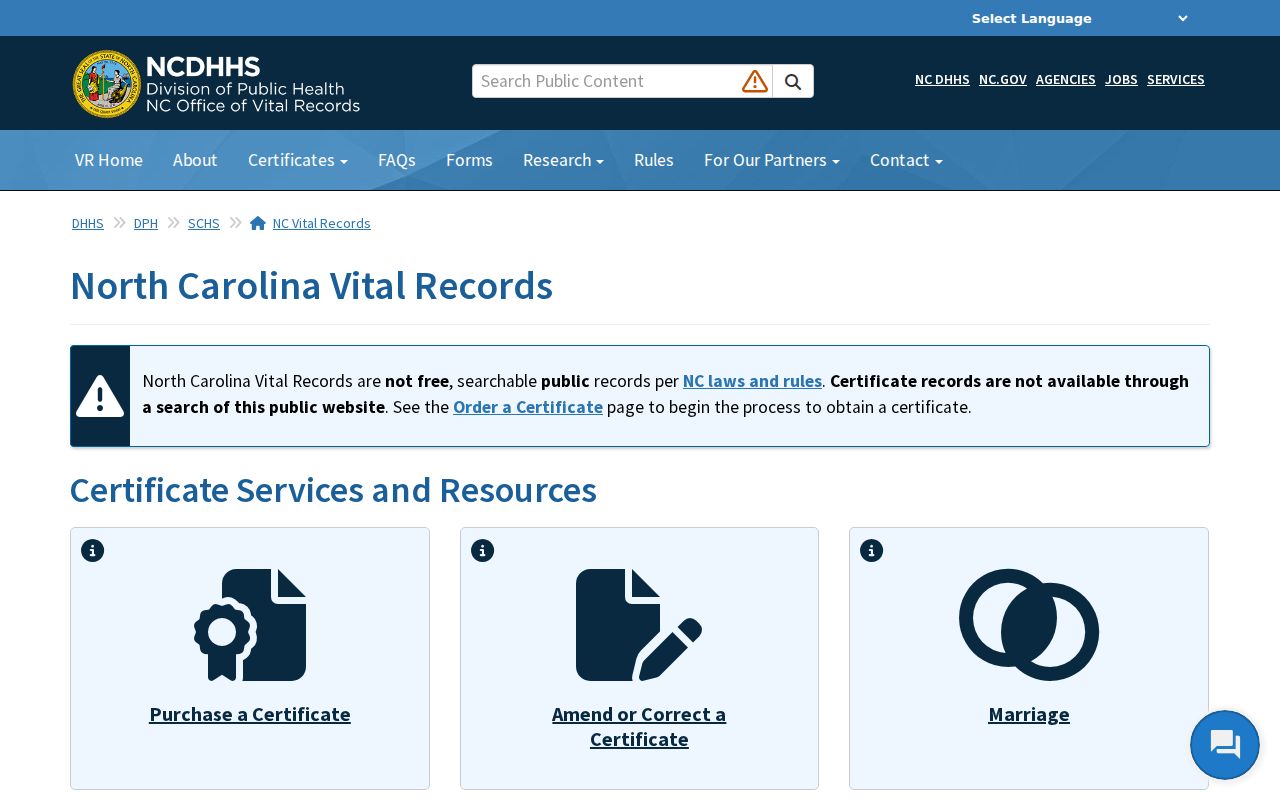
NC Vital Records explains the official state gateway for a record request.
Wake lists certified birth, marriage, and death copies at $10 each, with current fees and delivery terms shown by the custodian. Chatham lists its own eligibility classes and fees. Verify the current route and fee before ordering.
Apex Registry Search Scope
The NC Department of Adult Correction offender search accepts a name or offender ID and covers state-prison offenders, probationers, parolees, and historical DAC information back to 1972. It expressly excludes county-jail information. No unified official Apex, Wake, and Chatham jail roster was located in the research. For a current county-jail question, confirm the parcel’s county first and then verify the responsible sheriff or jail custodian’s official route.
The state’s official search landing page also distinguishes the NC Sex Offender Registry and NC SAVAN from the offender locator. Those are record-specific public-safety resources, not general current-address or household records. Likewise, the North Carolina Business Registration Search can confirm an entity or assumed-name record, while professional credentials route through the responsible board. A business or credential address is an administrative association, not evidence that an individual lives in Apex.
Apex Records Privacy Boundaries
North Carolina’s Public Records Act, Chapter 132, supports access to existing public records but does not require an agency to create a new compilation. A focused request should name the custodian, record type, date range, and any parcel, case, or document number. Ask for an existing index or record. If a custodian denies or redacts material, keep the stated basis and ask for a narrow explanation of the applicable route.
The NC DOJ Address Confidentiality Program provides a substitute address for eligible survivors who relocate or are relocating. Voter-address protections under GS 163-82.10(e) are another boundary. Neither should be treated as a search problem to overcome. Wake’s statutory redaction form is for protected identifiers, not for ordinary disputes about ownership history.
Business-registration and license records can confirm an entity or credential record when their own official source permits it. They do not establish that a named individual lives in Apex. The same restraint applies to permits, cemetery entries, and municipal archive references.
Apex Records Change Over Time
Dates matter in Apex because the tools themselves have changed. The Wake Register of Deeds launched its new Land Records application on April 21, 2025, while legacy recorded documents through April 17, 2025 remain in the older application. A missing instrument near that transition calls for both official routes, not a conclusion that no document exists. Wake’s legacy index reaches back to July 1785, while a current assessor display is only an administrative snapshot.
eCourts completed statewide conversion on October 13, 2025, so older county-specific instructions may no longer fit the live portal. Town records form another layer: the Apex Clerk holds historical municipal records by appointment, and online minutes cover 1990–1994 and 2014–present. Missing online years are an access gap, not proof that no municipal action occurred. For a historical person, pair dated directories, deeds, census, minutes, and archive material rather than giving one record more weight than it deserves.
Apex Evidence Limits
A same-name match needs a second, independent disambiguator such as county, year, parcel key, case number, record date, or a documented address. Keep owner, occupant, party, grantor, grantee, applicant, and archive subject as distinct roles. A tax owner is not automatically an occupant. A voter result is not a complete population list. A court docket is not proof of current residence.
For a Wake recorded document that is not available online, the Register of Deeds request form accepts document type, book and page, record date, grantor or grantee, property address, and subdivision or lot description. The form directs requesters to search online first or call the information desk. Chatham records should go to the Chatham Register of Deeds when the parcel is in Chatham, even if the mailing city says Apex.
Lawful use. Use public records for lawful personal research, preserve their limits, and never use a name, address, or record trail to stalk, harass, intimidate, or harm anyone.